2 hours ago
Latest Updates
Featured Posts
Get in Touch
Location:
123 Innovation Street
Tech District, CA 94105
123 Innovation Street
Tech District, CA 94105
Email:
[email protected]
[email protected]
Phone:
+1 (234) 567-890
+1 (234) 567-890
Succulent Kebabs, Biryani and Much More: A Historic Indian City Gains Recognition on the UNESCO Culinary List.
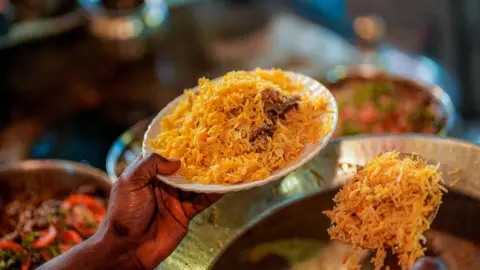
Delectable kebabs, fragrant biryani, and whipped, ethereal desserts.
The metropolis in India's north of Lucknow has forever been a dream destination for epicures, with inhabitants and tourists alike celebrating its remarkable cuisine.
An International Accolade
Recently, Unesco designated it as a UNESCO Creative City for Gastronomy – placing it on a select list of global cities and kindling hopes that it will spotlight Lucknow's exceptional food. With this designation, it joins a worldwide network of over 400 metropolises across more than 100 countries focused on promoting "innovation as a driver of development that sustains urban life".
The accolade "stands as proof of its deep-rooted culinary traditions and lively food ecosystem," as noted by a representative from UNESCO's Regional Office for South Asia.
Lucknow is only the second Indian city – after Hyderabad, which was picked in 2019 – to find a place in this prestigious list of 70 global destinations internationally.
A City Defined by Food
The accolade for this venerable city is hardly a shock to its residents or avid food lovers. Many echo the sentiment that it is "an honor long overdue".
With the UNESCO designation, this cherished, chaotic, and diverse city – the administrative center of India's most populous state – is finally in the global gaze for what has always characterized its soul: an immense devotion for food.
"'The day's menu, how will it be cooked' is a ongoing dialogue from morning until going to bed in many homes," notes a local cultural expert. "And you are truly evaluated by the excellence of food that is produced in your kitchen."
A Royal Culinary Legacy
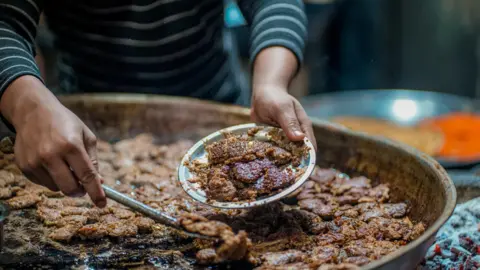
The Nawabi City – as it's widely known after its historic opulent Muslim rulers – is famed for its tender kebabs and a unique take on biryani that were invented, evolved, and taken to sublime levels in their opulent kitchens.
These kitchens of the nobility were hubs of food experimentation, blending Persian and native Indian styles to create what became known as the culinary tradition of Awadh.
It was in this era that Lucknow's renowned kebabs were developed. The story goes that the galouti kebab was invented to feed an ageing nawab who had no longer had his teeth. His cooks minced the meat with raw papaya, kesar, and spices and made it so silky that it required no chewing.
But arguably the most significant contribution of the chefs of Awadh was the slow-cooking Dum pukht technique, where food is prepared on a gentle, leisurely heat, with the pot's lid tightly sealed with dough.
More Than Just Famous Dishes
In addition to the famous kebabs and biryani, the culinary masters also created a repertoire of dishes that included kormas (rich curries), sheermal (saffron-infused flatbread), and shahi tukda (a rich bread pudding).
However, Lucknow is far more than kebabs and biryani – the region is additionally a vegetarian's paradise.
The local Baniya community's cuisine not only celebrates fresh harvests but also provides the city its highly curated Indian desserts, sweets, and unique street food, like chaat – spicy fried snacks.
Iconic Stalls and Historic Shops
Virtually on countless corners, there are small establishments and kiosks – lesser-known treasures that are wildly favored by the locals.
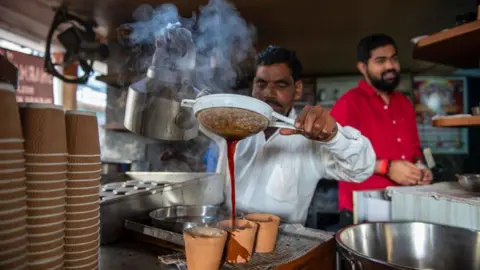
In the central district of Hazratganj, large gatherings start assembling from 5 am at a renowned tea stall to get a piping hot cup of milky masala chai, presented in earthenware cups, along with incredibly soft buns slathered with hand-churned white butter.
In the morning, one can visit a simple joint operating in the old city area of Aminabad. Nearly 150 years after it was founded, the place is still in great demand for its freshly fried kachoris (fried bread stuffed with lentils) and jalebis (crispy, syrup-soaked sweets).
Ensuring Legacy Continues
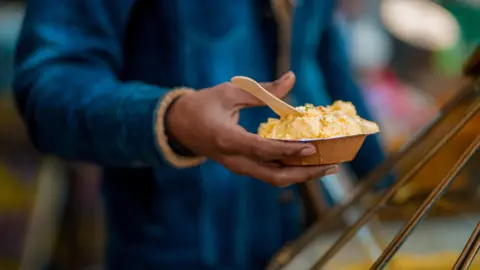
The city also presents remarkable seasonal delights, such as makkhan malai, a frothy dessert found in the winter. The technique of making it is intricate and complicated. The artisan whisks the milk and then exposes it at night, allowing the nighttime moisture to give it its incredible frothy texture.
On crisp mornings, street vendors are often seen in old city areas like Aminabad and Chowk. Some but note that their younger generation do not want to master the art.
A celebrity chef from Lucknow has noted that the city's profound food legacy puts it right on top of the Indian street food experience. The significant impact from the UNESCO recognition, it is believed, will occur only if Lucknow can now generate interest about its under-the-radar eateries.
Every dish in Lucknow comes with a history – shaped by family-run food businesses, from humble street carts to bustling restaurants, and secret family recipes.
The international acclaim, it is hoped, will inspire more people globally to explore these tales and travel to the city to savour the culinary delights of Lucknow.

Molly Drake
Eleanor is a passionate writer and cultural enthusiast, sharing her experiences and discoveries from across the UK.
Sponsored News

News
The musician contributes twenty-five thousand pounds award winnings to small music venues
Molly Drake
News
Why 'Showgirl Glamour' Emerged as the Dazzling Look of 2025
Molly Drake
News
Heartbreaking Update on UPS Incident: Fatalities Climbs to 13
Molly Drake
News
Why Are Fertility Donors Having Dozens of Kids?
Molly Drake
News
Sheff Wed Confronts Major Issues, States Independent Regulator
Molly Drake
News